Frequently Asked Questions
What is this work, actually?
Fair question. In short: I help organisations create more human-centred, high-performing workplaces through keynote speaking, facilitation, workshops, and leadership experiences grounded in neuroscience, playfulness, and real human connection.
Not mandatory fun. Not icebreakers.
Environments where people feel safe enough to think differently, take risks, collaborate openly, and bring more of their humanity into the work that actually matters.
Is this just about making work “fun”?
Not exactly — and honestly, if that’s what you were expecting, this might surprise you.
Playfulness isn’t the opposite of professional. It’s the conditions for it. Research shows it regulates stress, strengthens trust, increases openness, and creates the psychological safety needed for real innovation and collaboration. It doesn’t make work less serious. It helps humans do serious work better together.
The most sceptical teams often end up the most engaged. Because this is grounded in neuroscience and human behaviour — not forced fun or performative team-building.
What problems does this work actually solve?
Burnout. Disconnection. Rigid thinking. Low engagement. Poor collaboration. Cultures where people don’t feel safe enough to contribute fully or challenge the status quo.
If your team is technically capable but somehow not quite firing — this is often what’s missing.
Who is this work for?
I partner with organisations, leadership teams, L&D and HR leaders, conference organisers, and people leaders who want to create healthier, more connected, and more adaptive ways of working.
That might look like a keynote at your conference, a leadership offsite, facilitation training for your team, a bespoke workshop series, or ongoing coaching and culture work. If you’re not sure which fits, that’s what the discovery call is for.
We’ve tried “culture” or “engagement” initiatives before and they didn’t stick. Why would this be different?
Because most of them weren’t designed with how humans actually learn and change in mind.
My work is grounded in neuroscience, experiential learning design, and two decades of building programs that have to work — not just feel good in the room. Everything is customised to your context, your people, and what you’re actually trying to shift. And I’m not interested in one-off moments that don’t connect to anything. Even a single session is designed with sustainability in mind.
Is this relevant in the age of AI?
More than ever.
As technology automates technical tasks, human skills — creativity, adaptability, trust, collaboration, emotional intelligence — become increasingly valuable, not less. The organisations that thrive won’t be the ones with the best algorithms. They’ll be the ones with the most human teams.
That’s what this work builds.
What does a partnership actually look like?
Every engagement is different, which is a feature, not a bug.
We usually start with a discovery call to figure out what you’re actually trying to solve, build, or shift — and what kind of support makes the most sense. That might be a keynote, a workshop, a facilitation experience, leadership support, or something ongoing.
Some partnerships are a single experience. Others evolve into monthly or weekly support depending on goals and budget. Either way, the goal is the same: more connected, psychologically safe, and genuinely human ways of working together.
There will probably also be laughter.
What happens after the discovery call?
No hard sell, I promise.
After we talk, I’ll share a proposed approach and scope based on what you’ve shared. If it feels right, we move forward. If it’s not the right fit or timing, I’ll say so — and I’m always happy to point you toward resources that might help in the meantime.
What does it cost?
Every engagement is customised based on scope, format, and level of support.
As a general guide: speaking and workshop experiences typically start around €3K for virtual sessions and €5K for in-person engagements plus travel.
Pricing also varies depending on whether the work is corporate-funded, self-funded, or for a nonprofit — so if budget is a factor, just say so. It’s a normal part of the conversation, not an awkward one.
I love the sound of this but can’t afford it right now — what can I do?
Budgets are real, and I genuinely want this work to be as accessible as possible.
You can explore these ideas through my LinkedIn content, podcast appearances, talks, and recommended resources on playfulness, neuroscience, and psychological safety.
I also offer focused discovery calls starting at €100 — a practical way to talk through a specific challenge, think out loud, or figure out what kind of support might help. Small shifts can create surprisingly big change.
Can you travel?
Absolutely. I’m based in South Dublin and work with organisations virtually and in-person around the world — conferences, leadership offsites, workshops, facilitation experiences. If you’re somewhere interesting, even better.
What is LEGO® Serious Play®?
Yes, it’s a real thing. And yes, adults are usually delightfully sceptical — right up until they’re not.
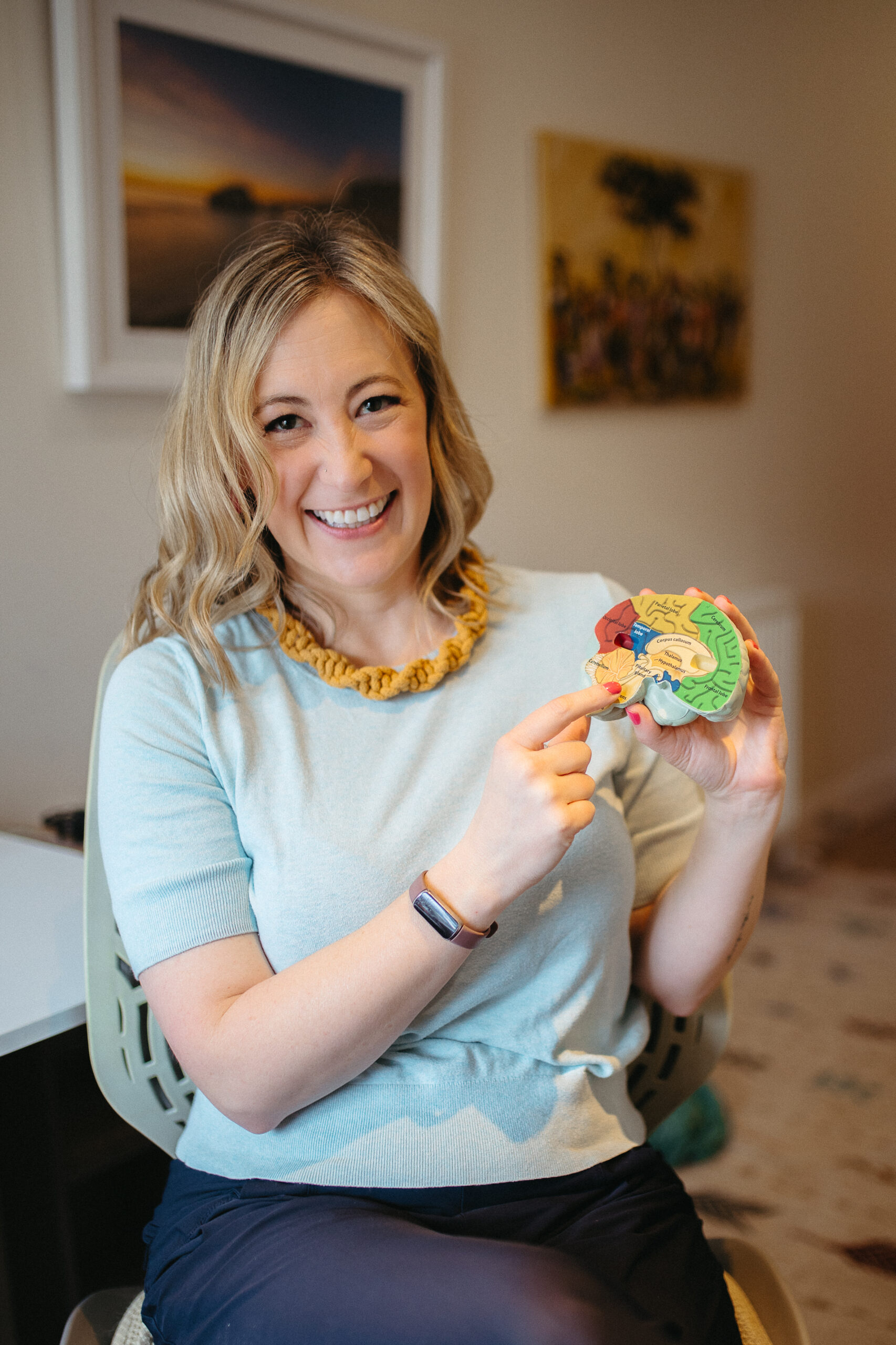
LEGO® Serious Play® is a facilitation methodology grounded in neuroscience, storytelling, and experiential learning. It helps teams think differently, communicate more openly, and surface insights that traditional conversations often miss entirely. I use it selectively — it’s one tool in the kit, deployed when it’s genuinely the right fit for the group and the goal, not as a novelty.
Turns out tiny plastic bricks are surprisingly good at helping humans drop the corporate armour.
Where can I learn more about the science behind this?
There’s a solid and growing body of research underpinning this work. A few places to start:
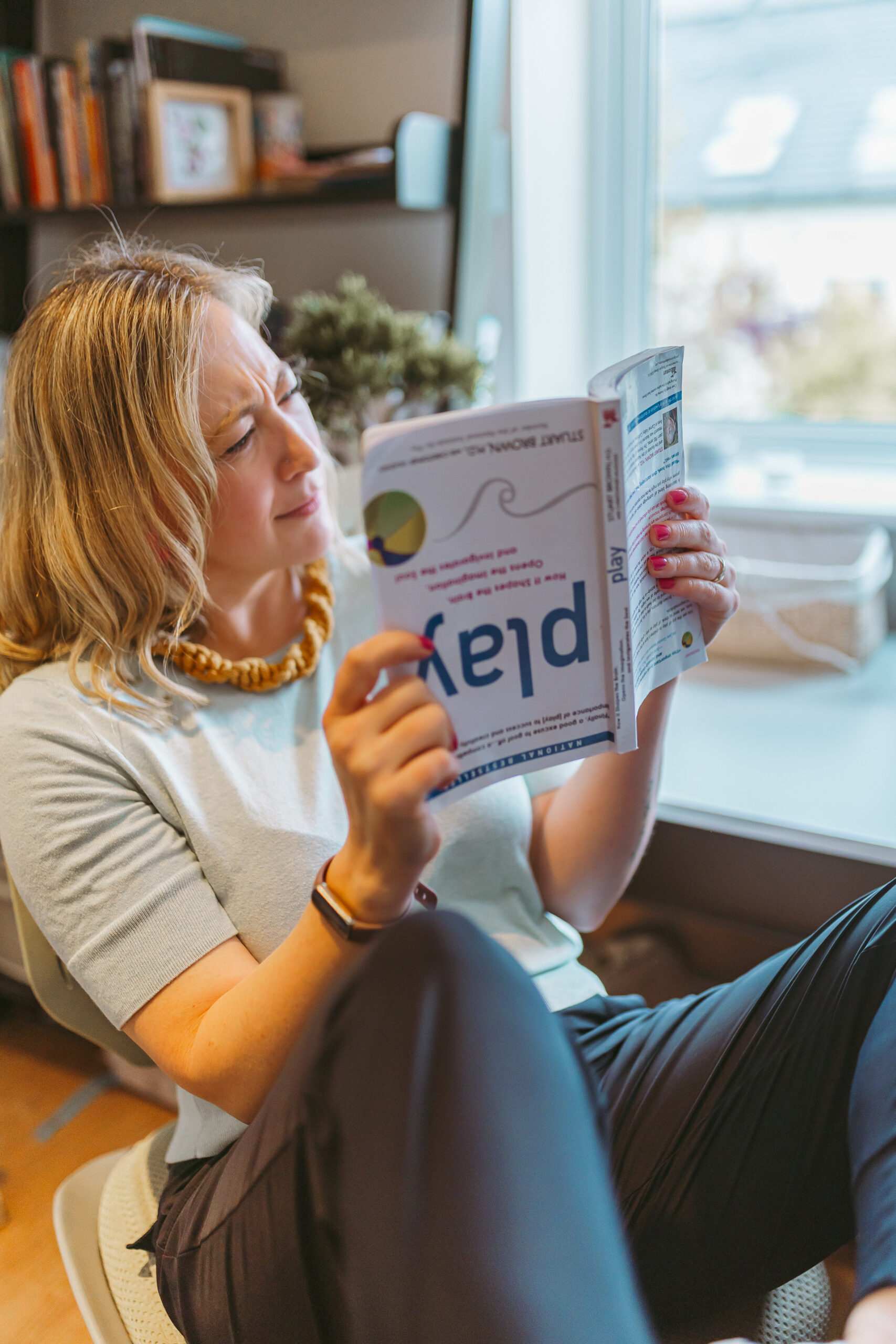
- Dr. Stuart Brown’s work on play and human development
- Huberman Lab’s episode on the neuroscience of play
- Research on psychological safety, stress regulation, and creativity
- My podcast interviews and LinkedIn content — links on the Learn page